
Pedestrian Accidents Near Issaquah Construction Sites: How They Happen and Your Rights in a Washington State Injury Claim
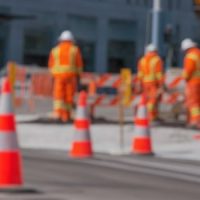
Blocked sidewalks, falling debris, and confusing signage are common on and near construction sites in King County. Unfortunately, this can pose hazards to pedestrians, making what would otherwise be an ordinary walk treacherous.
When pedestrian injuries happen, they can impact your health, your job, and your ability to engage in your usual hobbies and activities for long after. Our experienced Issaquah construction accident attorney explains your rights in holding those at fault accountable and how to get the compensation you need to recover.
How Pedestrian Injuries Near Issaquah Construction Zones Happen
As most residents can attest, the City of Issaquah has numerous construction projects underway year-round. While the goal is to repair damage, improve infrastructure, and protect public safety, the Washington State Department of Transportation warns that these areas pose significant risks to workers and pedestrians.
Common ways pedestrian injuries happen near construction zones in Issaquah and throughout King County include:
- Falling tools, debris, or building materials from elevated work areas above public walkways.
- Blocked or missing sidewalks that force pedestrians into active vehicle traffic lanes.
- Inadequate barriers or fencing between public areas and dangerous construction activity.
- Poor or missing signage that fails to warn pedestrians of overhead work or ground-level hazards.
- Uneven or unstable temporary walkways that create trip and fall risks.
- Construction vehicles entering and exiting the site without adequate warnings to nearby foot traffic.
Pedestrian accidents that happen on or near Issaquah construction sites can cause traumatic brain injuries, spinal damage, broken bones, and other serious harm, affecting victims for years afterward.
Who Is Liable When a Pedestrian Is Injured Near an Issaquah Construction Site?
Liability for pedestrian injuries near construction zones in King County is not always limited to one party. Washington premises liability law and OSHA regulations place clear responsibilities on those who control construction sites and the surrounding public areas. Parties who may be held liable include:
- General contractors are responsible for securing the perimeter of the site and protecting the public
- Subcontractors whose workers or equipment created the specific hazard that caused the injury
- Property owners who approved construction activity without requiring adequate public safety measures
- Municipal agencies, if a government-managed project failed to meet pedestrian safety standards
- Equipment operators who failed to exercise reasonable care near pedestrian areas
Under the Washington Revised Code, injured pedestrians have the right to compensation from all those at fault. This includes payment of all medical expenses, lost wages, pain and suffering, and long-term rehabilitation costs.
Request a Consultation With Our Experienced Issaquah Construction Accident Attorney
Pedestrian injuries near active construction zones in King County can have serious, lasting consequences. At Injury Law Group NW, we hold negligent contractors, property owners, and other responsible parties accountable and fight to get injured pedestrians the full compensation they deserve.
If a construction zone injury has affected you or someone you love in Issaquah, don’t wait to get legal help. Call or contact us online to request a consultation with our experienced Issaquah construction accident attorney today.
Sources:
issaquahwa.gov/90/City-Projects
wsdot.wa.gov/travel/traffic-safety-methods/work-zone-safety
